Iceland in Summer vs Winter: Which Season Fits Your Travel Style
When travelers ask me, “Otto, when should I come to Iceland?” I give them the same answer I have given from Reykjavík to the far edge of the fjords: that depends on what sort of soul you are bringing with you.
I have seen visitors fall in love with Iceland under the golden glow of midnight sun, and I have seen others nearly weep with joy beneath a winter sky painted green by the northern lights. Summer and winter in Iceland are not merely different seasons. They are two different sagas.
So if you are choosing between Iceland in summer vs winter, let me help you decide like a proper local—not with soft nonsense, but with honest wisdom, practical tips, and a little Viking poetry.
Summer in Iceland — The Season of Endless Light
Summer in Iceland feels as if the sun has forgotten to go home. From roughly June through August, the days stretch long and bright, and around the summer solstice the light lingers so stubbornly it feels like midnight itself has turned cheerful.
For many first-time visitors, summer is the easiest season to love. Roads are more accessible, the highlands begin to open, hiking trails are friendlier, and there is an energy in the air that makes even a simple drive feel like an expedition. Waterfalls thunder with snowmelt, puffins gather along the cliffs, and fields turn green enough to make a troll sentimental.
If your travel style is adventurous, flexible, and packed with sightseeing, summer may be your season. This is the time for long road trips, glacier hikes, whale watching, and those dramatic scenic detours that begin with “Let us just stop for one quick photo” and end an hour later with fifty pictures and numb admiration.
I once guided a family from Canada in July who planned to “take it easy.” By the second day they were chasing waterfalls, eating ice cream in a fishing village at 10 p.m., and laughing because their children could not believe it was still bright enough to play outside. That is summer in Iceland. It steals your sense of time and replaces it with wonder.
Why choose Iceland in summer?
Summer is best for travelers who want:
- Long daylight hours
- Easier driving conditions
- More access to remote areas
- Hiking, camping, and road trips
- Puffins, festivals, and lively towns
Otto’s summer warning
Summer is popular, and popular means crowds. Prices are often higher, accommodations book quickly, and the most famous sites can feel less like secret wilderness and more like a very scenic parade. My advice is to rise early, stay out late, and remember that in Iceland the best reward often comes to those willing to step slightly off the obvious path.
Winter in Iceland — The Season of Firelight and Northern Magic
Now we come to winter, the season that separates tourists from true romantics.
Winter in Iceland is dark, dramatic, and magnificent. From roughly November through March, the island becomes a place of snow, ice, low golden light, and long evenings. This is when lava fields look ancient, mountains seem sharper, and every warm café feels like a fortress against the cold.
If summer is for roaming, winter is for atmosphere.
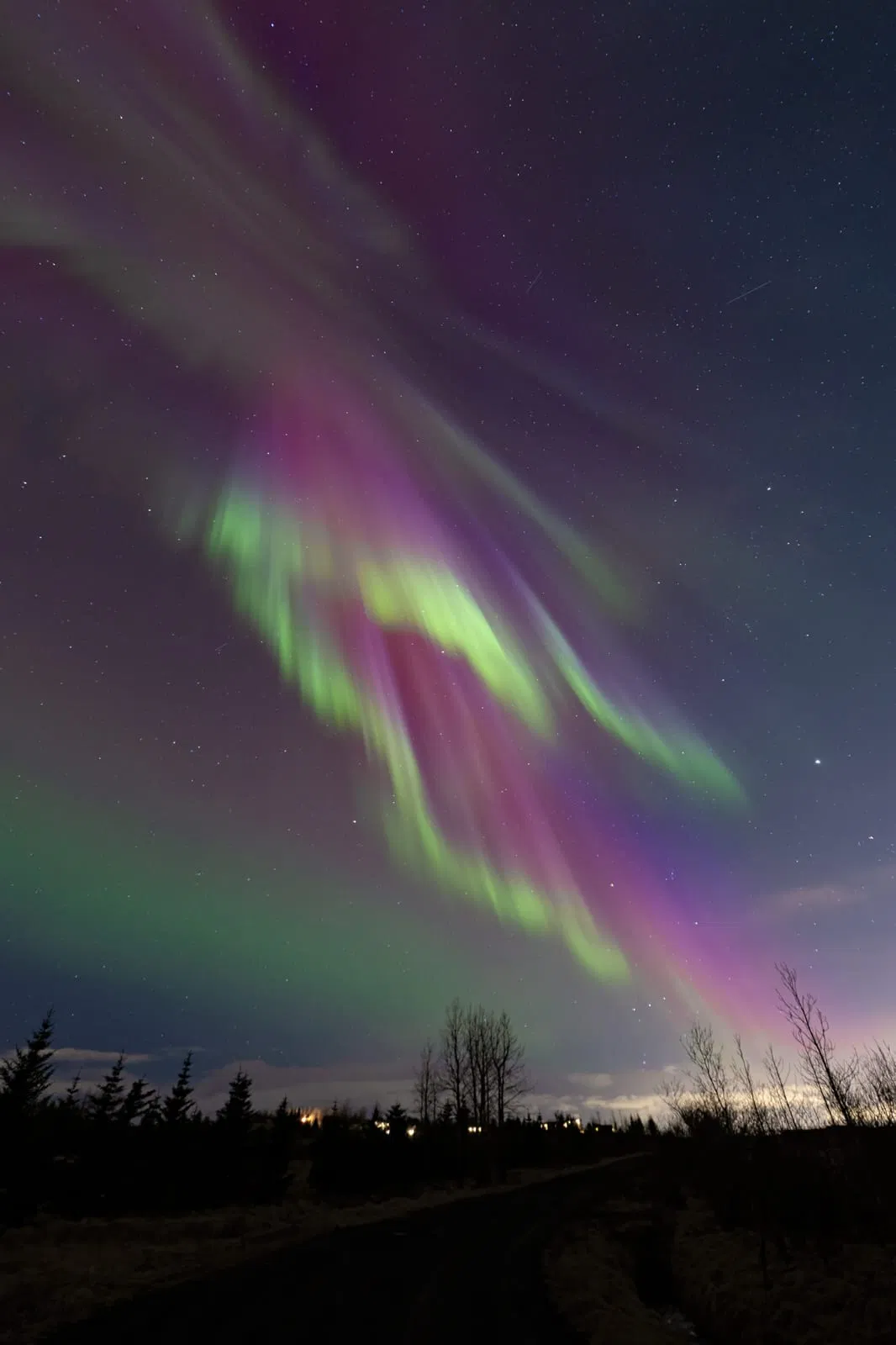
This is the season for Northern Lights, ice caves, snowy landscapes, and hot springs steaming under the cold sky. It is for travelers who do not mind wearing proper layers and understand that a little wind only improves the story later. Winter invites you to slow down, look closely, and feel the island rather than race across it.
One February night, I took a small group out beyond the city lights. The forecast was uncertain, and the clouds were teasing us like mischievous elves. Then, just when hope had started to fade, the sky opened and green ribbons unfurled overhead. Nobody spoke for nearly a minute. That is rare in a tour group. But winter in Iceland can silence even the chatty ones.
Why choose Iceland in winter?
Winter is best for travelers who want:
- Northern Lights opportunities
- Ice caves and snowy scenery
- Fewer crowds in many places
- Cozy hotels, hot springs, and dramatic landscapes
- A moodier, more mystical Iceland
Otto’s winter warning
Winter demands respect. Weather can change quickly, roads may close, and daylight is limited. This is not the best season for travelers who hate uncertainty or want to cram six giant attractions into one day. In winter, a wise traveler plans less, dresses better, and allows room for nature to make the final decision.
Iceland Weather by Season — What the Brochures Forget to Tell You
You may imagine summer is warm and winter is brutal. That is only half true.
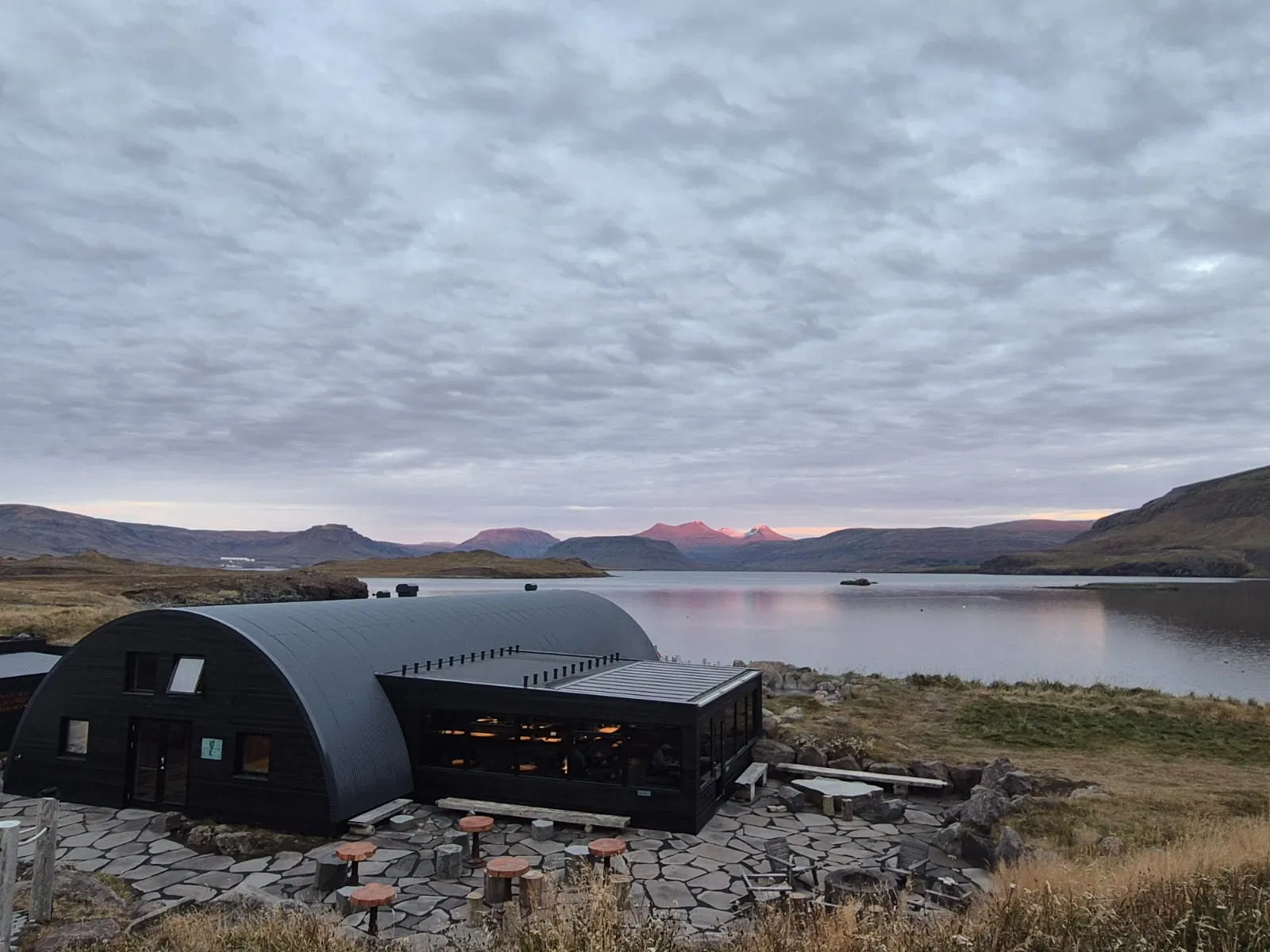
Summer in Iceland is mild rather than hot. Think cool breezes, sudden rain, and temperatures that often invite layers rather than sunbathing. Winter is cold, yes, but in many coastal areas it is not as brutally frozen as some expect. The bigger issue is wind, ice, and fast-changing conditions.
In other words: Iceland does not care much for your assumptions.
No matter the season, pack waterproof layers, sturdy shoes, and patience. If you come dressed like a sensible explorer, Iceland feels exhilarating. If you arrive dressed like you are headed to a fashionable city stroll, Iceland will teach you humility.
Which Season Fits Your Travel Style?
Let us settle this like practical Vikings.
Choose summer if you are the kind of traveler who wants freedom, long days, scenic drives, hiking, and maximum access to the island. Summer is for energetic explorers, photographers chasing endless light, and anyone planning a self-drive adventure around the Ring Road.
Choose winter if you love the atmosphere, dramatic skies, fewer crowds, and the possibility of seeing the aurora dance above you. Winter is for romantics, hot-spring dreamers, and travelers who enjoy mystery as much as convenience.
And then there are those wise souls who return twice. Once for the bright saga. Once for the dark one.
Otto’s Final Advice — Do Not Fight the Season
The biggest mistake travelers make is coming in one season while expecting the other. Summer is not winter without snow, and winter is not summer with darker photos. Each season gives a different version of Iceland, and the happiest visitors are the ones who welcome that truth.
If you come in summer, chase the long light and roam far. If you come in winter, embrace the darkness, soak in hot water, and look skyward.
Conclusion — Choose the Saga That Calls to You
So, Iceland in summer vs winter: which season fits your travel style? The answer lies in what kind of story you want to live. Do you want the saga of endless daylight, open roads, and restless adventure? Choose summer. Do you want the saga of northern lights, snow-dusted mountains, and firelit evenings? Choose winter. Either way, Iceland will test your layers, steal your breath, and reward your courage. As I always say, a Viking does not ask which season is better. A Viking asks which season will make the better legend.