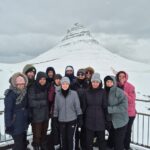
Best Time to Visit Iceland for Northern Lights, Glaciers, and Waterfalls
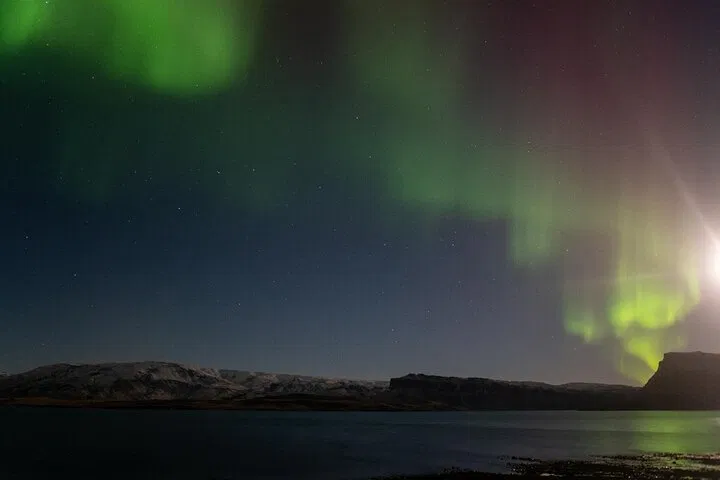
If you ask me the best time to visit Iceland, I will give you the most honest answer a local guide can offer: it depends on which wild wonder calls your name loudest.
Do you dream of the northern lights dancing like green fire over a black winter sky? Do you want to stand on a glacier and hear the old ice groan beneath your boots? Or is it the waterfalls that pull you here, roaring with snowmelt and misting your face like the breath of the gods?
Iceland is not a place with one perfect season. It is a land of moods, and each season reveals a different face of the island. As a guide, I tell my guests this all the time: do not just visit Iceland. Choose your Iceland.
For Northern Lights — Come When the Nights Belong to the Sky
If the northern lights are your main quest, the best time to visit Iceland is from late September to early April. That is when the nights are long enough, dark enough, and dramatic enough for the aurora to appear.
I have seen visitors stare at the forecast like nervous sailors watching the sea. They ask, “Otto, when will the lights come?” And I tell them what every true Icelander knows: the aurora does not perform on command. You need darkness, clear skies, and a bit of luck from the heavens.
That said, I often recommend October, February, and March. These months offer a fine balance. You still get long dark nights, but the roads are often more manageable than in the deepest part of winter. The weather can still be wild, of course. This is Iceland, not a polite little postcard.
My advice?
- Stay at least four or five nights if northern lights are important to you.
- Get away from city lights whenever possible.
- Keep your plans flexible.
- Dress in layers worthy of a Viking, because standing still in the cold feels much colder than walking in it.
When the aurora finally appears, all complaints vanish. I have watched grown men go silent, children forget to fidget, and entire busloads gasp at once. It is one of the few things in this world that still feels like magic.
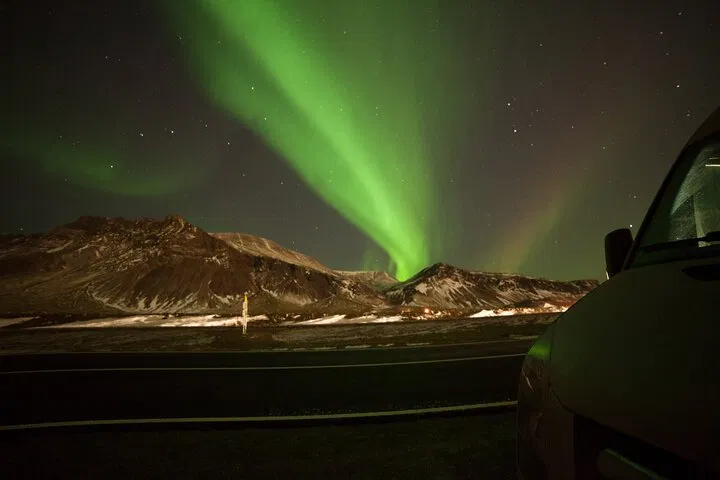
For Glaciers — Winter and Shoulder Seasons Bring the Greatest Drama
If glaciers are your priority, then the best time depends on what sort of glacier adventure you seek.
For ice caves and dramatic frozen landscapes, visit between November and March. This is when the glacier world feels most otherworldly. The blue ice glows from within, like frozen sapphire lit by ancient spirits. Step into a proper ice cave and you will understand why sagas were written in lands like this.
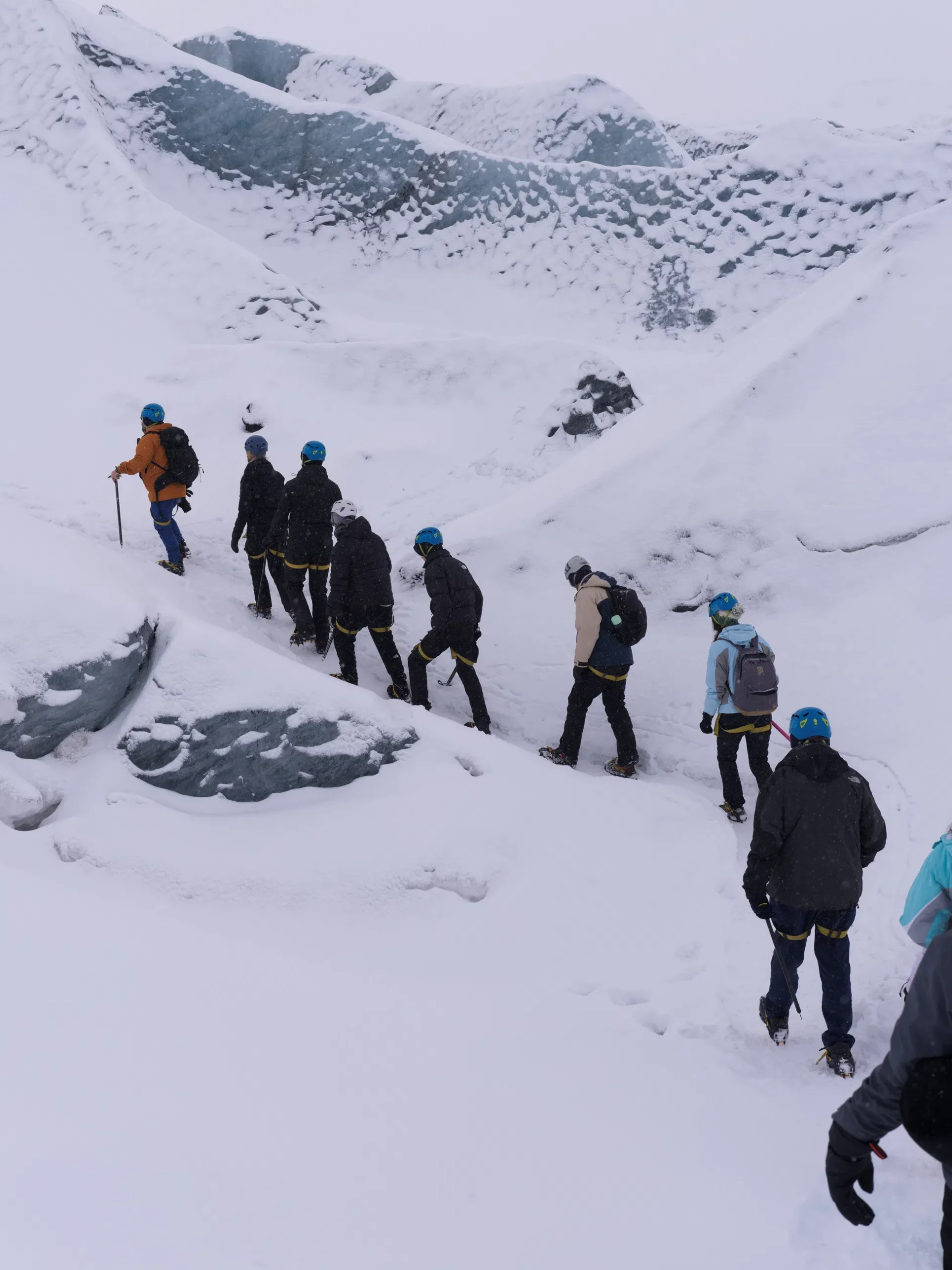
For glacier hikes, the season is broader. Guided hikes run in different forms for much of the year, but I especially like late fall and late winter for travelers who want beauty without the busiest summer crowds.
I remember guiding a couple from Canada onto Solheimajokull one crisp March morning. They told me they had seen snow before, plenty of it. Then they stepped onto the glacier and laughed at themselves. “This isn’t snow,” they said. “This is another planet.” Exactly right.
A few hard-earned tips from Otto:
- Never explore glaciers or ice caves without a certified guide.
- Good boots matter more than you think.
- Bring gloves you can actually move your fingers in.
- Book glacier tours early if visiting in peak travel periods.
Glaciers are not decorations. They are living, shifting giants. Respect them, and they will reward you with unforgettable memories.
For Waterfalls — Late Spring Through Summer Shows Their Full Power
Now we come to the waterfalls, those thundering jewels of Iceland.
You can visit waterfalls all year, and I do mean all year. But if you want them at their fullest and most powerful, the best time to visit is late spring through summer, especially May to July. This is when snowmelt feeds the rivers and many falls surge with extra force.
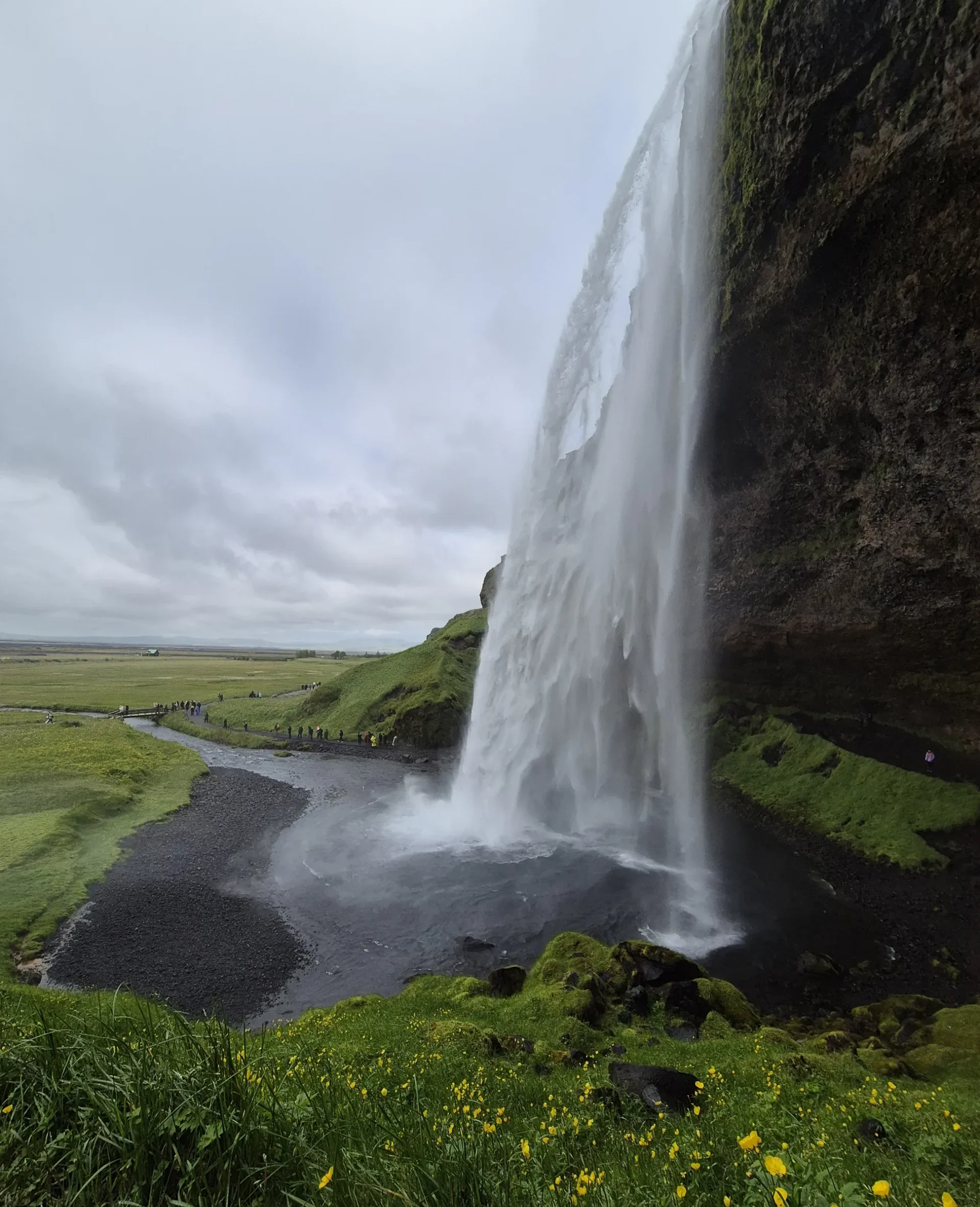
In summer, you can drive more easily, enjoy longer days, and visit famous waterfalls such as Seljalandsfoss, Skogafoss, Gullfoss, and Dettifoss with less worry about winter road conditions. The midnight light also gives the landscape a dreamlike glow that photographers adore.
But let me tell you a local truth: waterfalls in autumn can be magnificent as well. Fewer crowds, golden moss, darker skies, and a more brooding atmosphere. Iceland does drama very well in every season.
One of my favorite moments as a guide is leading guests behind Seljalandsfoss on a bright June evening. The sun hangs low, the mist turns gold, and everyone comes back around the path soaked, laughing, and looking newly alive. That is Iceland working her spell.
So, What Is the Best Overall Time to Visit Iceland?
If you want the best combination of northern lights, glaciers, and waterfalls, I would point my Viking axe toward late September to October and February to March.
Why these months?
Because they offer a rare balance:
- Dark enough nights for aurora sightings
- Good access to glacier tours
- Waterfalls still impressive in every sense
- Fewer crowds than high summer
- A better chance of mixing adventure with manageable travel conditions
These shoulder seasons are when Iceland feels both accessible and untamed. You can chase waterfalls by day, hike ice by afternoon, and hunt the northern lights after dark. That, my friend, is a fine itinerary.
Otto’s Final Word Before You Set Sail
So, when is the best time to visit Iceland? For northern lights, aim for the dark months. For glaciers, winter brings the deepest magic. For waterfalls, spring and summer unleash the greatest force.
But if you ask me, Otto the Viking, for the finest all-around season, I say come when the island is shifting between extremes. Iceland is never dull when she is changing her armor.
Come prepared for wind, wonder, and weather that laughs at your forecast app. Come ready to get wet at the waterfalls, humbled by the glaciers, and dazzled beneath the northern sky.
Choose your season like a Viking chooses a voyage: with courage, curiosity, and respect for the power of nature. Then Iceland will reward you with stories worth bringing home.